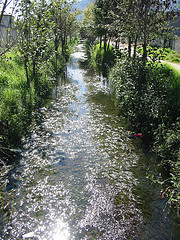
SAN CRISTÓBAL DE LAS CASAS -- When the city of San Cristóbal de las Casas, Chiapas, was founded in the mountain valley of Jovel in 1535, settlers built homes and businesses in the highest, driest places. Marshes, lakes and rivers surrounded them.
Today, seas of houses have replaced many of the wetlands, due to exploding population growth. San Cristóbal is one of the fastest-growing cities in Mexico, says Dr. Miguel Ángel Vásquez Sánchez, head of the city’s Planning and Urban Development Department. The population of San Cristóbal is expanding at more than twice the national rate. Most of the newcomers are from the rural zones of Los Altos, the Chiapan Highlands, who come to San Cristóbal for work or to escape religious or political conflict in their communities, Vásquez Sánchez says.
But overpopulation means affordable land is scarce. For many poor families, the only land within reach is in wetland zones, which developers fill with tons of concrete and sand in attempts to make it fit for building.
But filling wetlands has serious consequences. “Wetlands function as a sponge, absorbing water, rain and runoff,” says Alejandro Ruiz Guzman, Director of Social Communications for the Municipal Potable Water and Sewer System in San Cristóbal. Once filled with concrete, the wetlands can no longer serve their ecological role. The water they once collected has nowhere to go. Floods are often the result, causing illness, loss of possessions and interrupting the daily life of individuals living in the neighborhoods located in these areas.
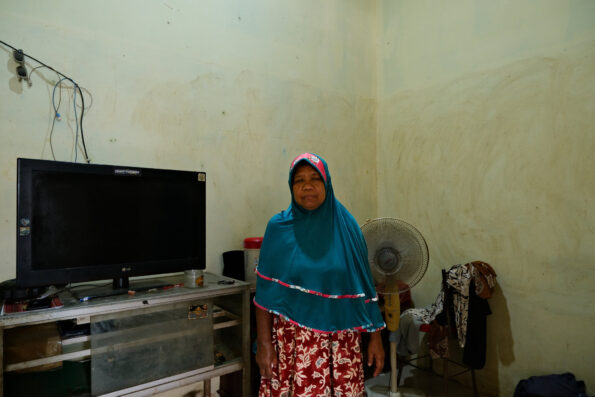
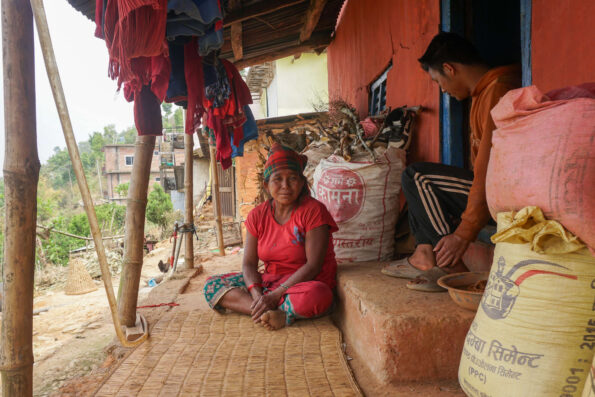
Erminia López Gomez and her family have weathered 15 years of flooding since they moved to the Lagos de María Eugenia neighborhood, in southern San Cristobal in 1991. López Gomez knew the area was wetland when they bought their home, but it was all they could afford and the family needed somewhere to live.
“We didn’t know that this land was going to flood so much. We thought that the filling would solve the [flooding] problems,” she says.
But that wasn’t the case. During the worst rains her house has filled with more than a meter of water. “We tried to pick up all of our things, but we’ve lost mattresses as well as the stove, the refrigerator and our important papers,” she adds.
Despite the flooding problems, a junior high school, San Juan Bosco Occhiena, was built in the neighborhood in 1995. The school is situated beside a canal which, according to school director Alberto Rafael Arévalo Barrientos, becomes “an overflowing river that takes everything in its path” during the rainy season. He says that the school frequently suspends classes due to flooding, sometimes relocating students to a nearby church.
In 2005, Hurricane Stan brought a worse flood season than usual. After intense rains, the neighborhood was under nearly two meters of water. “When I went to the school, what had been the library, all of the books, sound equipment, televisions — everything was swimming,” says Arévalo Barrientos.
The key to preventing situations like this, says Vásquez Sánchez, is good city planning. “Unfortunately, in our country, [city] planning is considered something that is unnecessary, something that doesn’t even exist,” Vásquez Sánchez adds.
But despite past precedent, the city is currently creating an urban plan that will map out the future of the San Cristobal until 2020. “I believe there is still time to save the little we still have, but it won’t happen without great effort on the part of society and the government,” says Vásquez Sánchez.
Originally published 2006 PIWDW