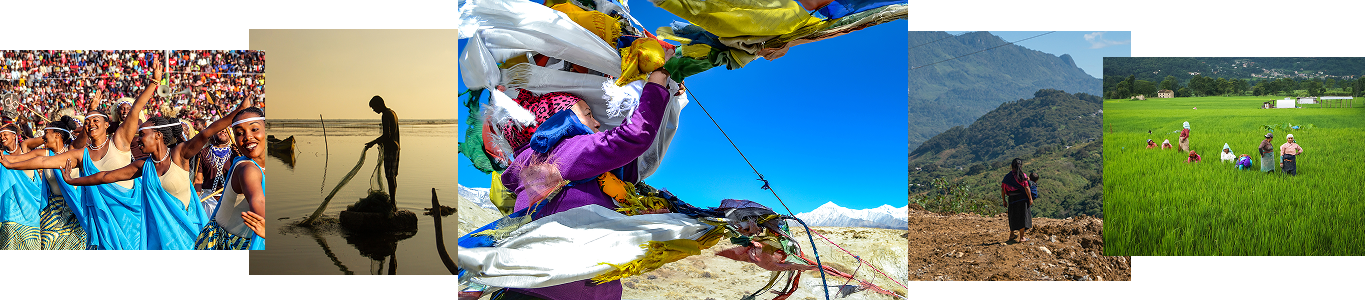
From 2006 to 2025, Global Press Journal amplified the voices of local women journalists, offering readers an intimate and nuanced view of the world. Their reporting revealed complexity, resilience, and the transformative power of place-based storytelling.
Now preserved as an archive, this body of work continues to inform the future — providing journalists, students, researchers and policymakers with enduring lessons in dignity, accuracy, and impact.
Featured Collections
Curated from twenty years of rigorous reporting in undercovered regions of the world, these collections highlight the best of Global Press Journal and offer deep insight into enduring global issues.
20 Years of Game-Changing Journalism
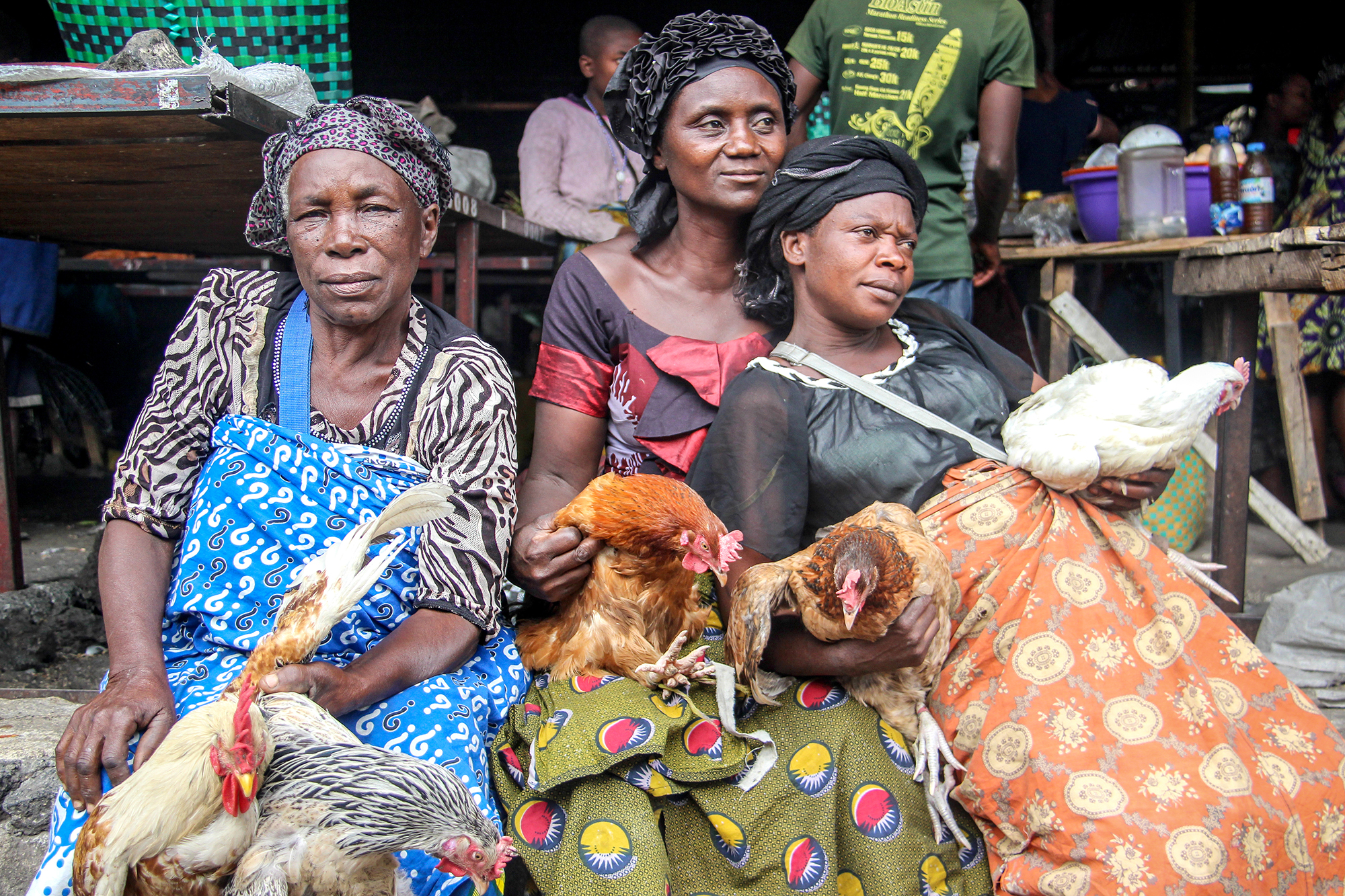
For twenty years, women journalists across the globe documented the realities shaping our world—health and education, conflict and corruption, climate and economic survival. Through their reporting, Global Press brought forward stories that might otherwise have gone untold. This collection reflects the depth and power of that work.
The Archive
The Global Press Journal Archive is a permanent record of two decades of local, independent journalism reported by local, women journalists across the world. Use the search box below to explore the full archive, or filter by topic, country, or keyword to access thousands of rigorously reported stories told with dignity and precision.
Stories from this archive may be shared and reused with credit to the Global Press Journal Archive and the original reporter's byline always retained.
The permanent Global Press Journal Archive, including the full photojournalism collection of original photography by women journalists, is hosted by the Wikimedia Foundation to ensure long-term public access.
Explore by topic
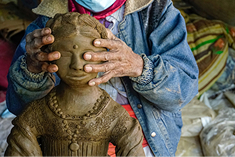
Arts
Global Press stories explore how artists and cultural traditions shape identity, resilience, and continuity within their communities.
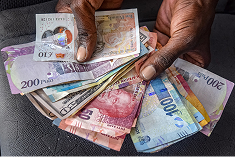
Economy
Global Press reporting examines how global economic forces shape local livelihoods, revealing both ingenuity and inequality in everyday life.
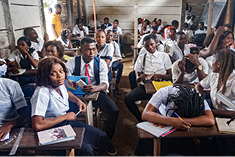
Education
Global Press coverage focuses on access, equity, and the power of education to transform lives, as told by those living the system firsthand.
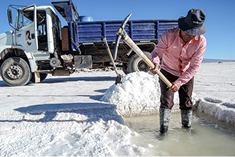
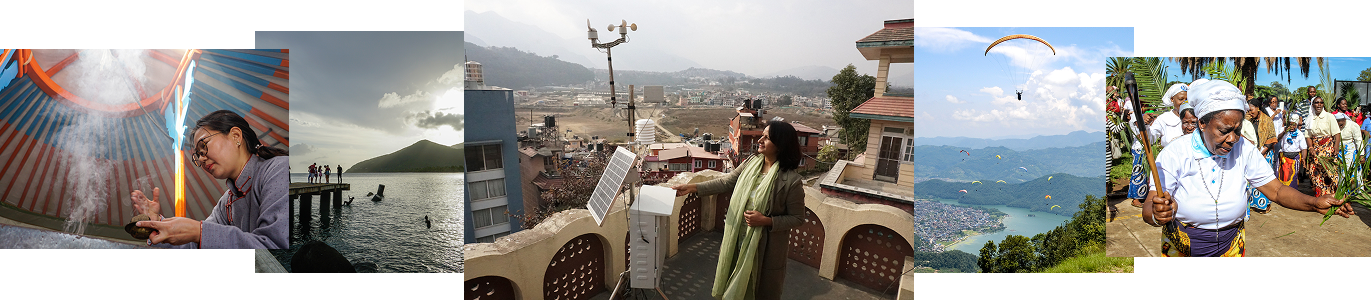
Environment
Global Press environmental reporting examines the relationship between people and their environments, revealing how communities adapt to and advocate in the face of climate change.
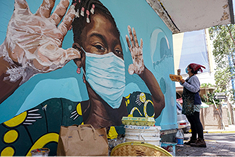
Health
Global Press health reporting centers local realities—from public systems to personal experiences—to illuminate the human consequences of policy and neglect.
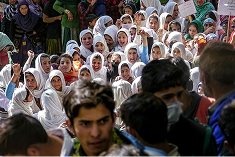
Human Rights
Global Press human rights journalism documents the pursuit of justice and dignity from the ground up, amplifying voices too often excluded from national and global narratives.
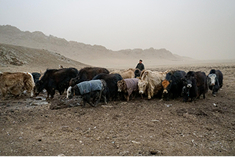
Migration
Global Press migration reporting traces movement and displacement through personal stories, connecting global forces to individual lives.
About Global Press
From 2006 to 2025, Global Press advanced international journalism by delivering accurate, nuanced reporting from regions of the world often overlooked or misrepresented.
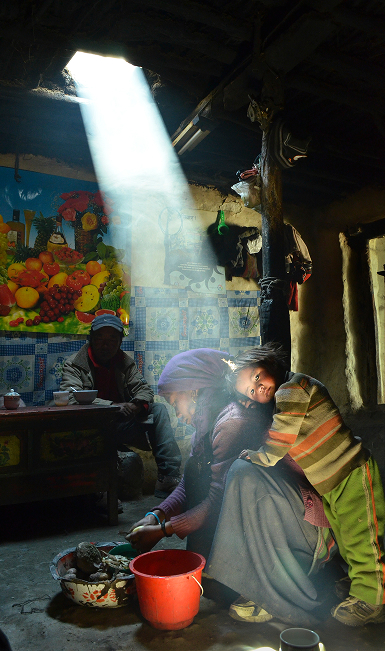
Local Reporters, Global Perspective
Global Press reporters lived in the communities they covered. Their proximity enabled reporting shaped by trust, context, and long-term engagement—offering an alternative to parachute journalism and superficial coverage.
Rigorous Training and Editorial Standards
Every reporter completed Global Press's signature training program in ethical, accurate, and context-rich reporting. All stories underwent a rigorous editorial process, including multiple layers of editing, fact-checking, copy editing, and translation by elite editors and accuracy professionals.
A Pioneering Duty of Care
Global Press set a new global standard for responsible journalism through its holistic Duty of Care program, protecting the physical, emotional, digital, and legal well-being of women journalists around the world.
Our Enduring Legacy
Founded by social entrepreneur Cristi Hegranes and supported by some of the world's leading philanthropists and media innovators, Global Press transformed global narratives by advancing the role of women in journalism and reshaping how the world understands underreported regions. Now, our legacy lives on. We have placed our core assets within world-class institutions to ensure their free and lasting public use.
Where to Find Global Press Legacy Assets
Global Press Style Guide
The English, French, and Spanish editions of the Global Press Style Guide are preserved here, made possible by the generous support of our partners and supporters.
View Style GuideGlobal Press Story & Photo Archive
A collection of hundreds of thousands of photographs is permanently preserved at the Wikimedia Foundation, ensuring long-term public access.
See the Wiki ArchiveGlobal Press Institute Training Programs
Hundreds of training courses, modules, workshops, and programs are now housed at the International Center for Journalists. These resources will be available free to journalists worldwide, in their original and adapted forms, in perpetuity. Our award-winning Duty of Care program and training.
Visit ICFJ+We extend our deepest gratitude to the reporters, editors and staff who built and sustained Global Press for 20 years. And profound thanks to the supporters and readers around the world who made this work possible. Together, their commitment and belief created this extraordinary, enduring record of local journalism.